Spinal decompression marketing works best when a clinic stops promoting the machine and starts answering the patient’s real decision path: back pain, sciatica, herniated discs, cost, safety, insurance, and whether the treatment actually works. Patients rarely begin by searching for a “spinal decompression provider.” They start with questions, and the clinics that answer those questions clearly are the ones that fill their schedule. If you would like hands-on care, you can book a visit with Sakura Chiropractic.
This guide is written for chiropractors and clinic owners who want a practical, compliant plan to attract more high-intent spinal decompression patients. We will map how patients actually search, lay out a lean page structure, cover local SEO and Google Ads, and finish with a 90-day plan you can act on. If you want the broader picture first, our overview of how to market chiropractic services pairs well with this service-line deep dive.
Spinal Decompression Marketing at a Glance
If you only take away the essentials, here is what a successful spinal decompression marketing plan looks like.
- Answer the patient’s real questions about safety, cost, insurance, and proof before asking for a booking.
- Build a lean cluster of five to six pages, not twenty thin keyword pages.
- Support the cluster with accurate local SEO and a strong Google Business Profile.
- Run tightly themed Google Ads while the organic cluster matures.
- Keep every claim compliant and route traffic to a consultation request.
Why Spinal Decompression Is a High-Intent Chiropractic Service
Spinal decompression is condition-driven, which makes it one of the more marketable service lines a chiropractic practice can offer. The people searching for it are usually dealing with persistent pain and are actively comparing options, so the intent behind their searches is strong.
- It is tied to specific conditions like herniated discs, sciatica, and spinal stenosis, so demand is concrete rather than vague.
- It attracts patients who have often tried other approaches and are motivated to find relief.
- It frequently involves a multi-visit care plan, which means a higher lifetime value per patient.
- Patients weigh safety, credibility, cost, and proof carefully before they book.
- Because of that scrutiny, it rewards trust-heavy marketing and punishes hype.
How Patients Search Before Booking Spinal Decompression
The fastest way to plan content is to follow the questions patients ask on their way to a decision. Keyword research shows a clean progression from “what is this” to “is it safe and worth it.” Map your pages to each stage rather than chasing every phrasing variation. We cover this further in top SEO agencies for chiropractors.
| Patient intent | What they are really asking | What the clinic needs |
|---|---|---|
| Awareness | What is spinal decompression and how does it work | A clear, plain-language education page |
| Proof | Does spinal decompression actually work | An evidence-aware explanation, no overclaiming |
| Safety | Is it safe, can it cause damage | A balanced risk and candidacy section |
| Cost | How much does it cost | Transparent cost guidance |
| Insurance | Is it covered, does Medicare pay | An insurance and financing section |
| Condition fit | Will it help my herniated disc or sciatica | Condition-specific pages |
| Skepticism | Is this just a gimmick | A trust-building FAQ that addresses doubts honestly |
The Website Pages a Clinic Needs for Spinal Decompression SEO
Resist the urge to spin up a separate page for every keyword variation. A lean, well-linked structure ranks better and is far easier to maintain. A practical architecture looks like this:
- A main service page that explains the treatment end to end.
- A condition page for sciatica, since that is one of the strongest associated searches.
- A condition page for herniated disc, the other major driver of demand.
- A supporting article that tackles the “does it work” question directly.
- A supporting article on cost and insurance expectations.
- A local page only if you serve a distinct second location or city.
That is roughly five to six pages, not twenty. Each one should link to the others where relevant so search engines understand the cluster, and adding schema markup to each page helps them earn rich results. Our guide to landing pages for chiropractic Google Ads covers how to structure the conversion-focused versions of these pages.
What the Main Spinal Decompression Page Should Include
The main service page carries most of the weight, much like the homepage of a high-converting site. It should reassure a cautious reader and answer the practical questions that decide whether they call. Include: You can also explore how to market chiropractic services.
- Who the treatment tends to help, described in plain terms.
- The conditions commonly associated with care, such as disc and nerve-related pain.
- Who may not be a good candidate, stated honestly.
- What actually happens during a session, so there are no surprises.
- A realistic sense of how many sessions a plan may involve.
- Cost and insurance expectations, even if approximate.
- Safety information and contraindications.
- Provider credentials and a clear, low-pressure call to action.
- Compliant reviews or testimonials, and internal links to your sciatica, herniated disc, back pain, and neck pain pages.
Local SEO for Spinal Decompression
Most spinal decompression demand is local, so your Google Business Profile and local signals matter as much as your pages. Focus on accuracy and education rather than promises.
- List spinal decompression as a service on your Google Business Profile, and keep it consistent with your main website.
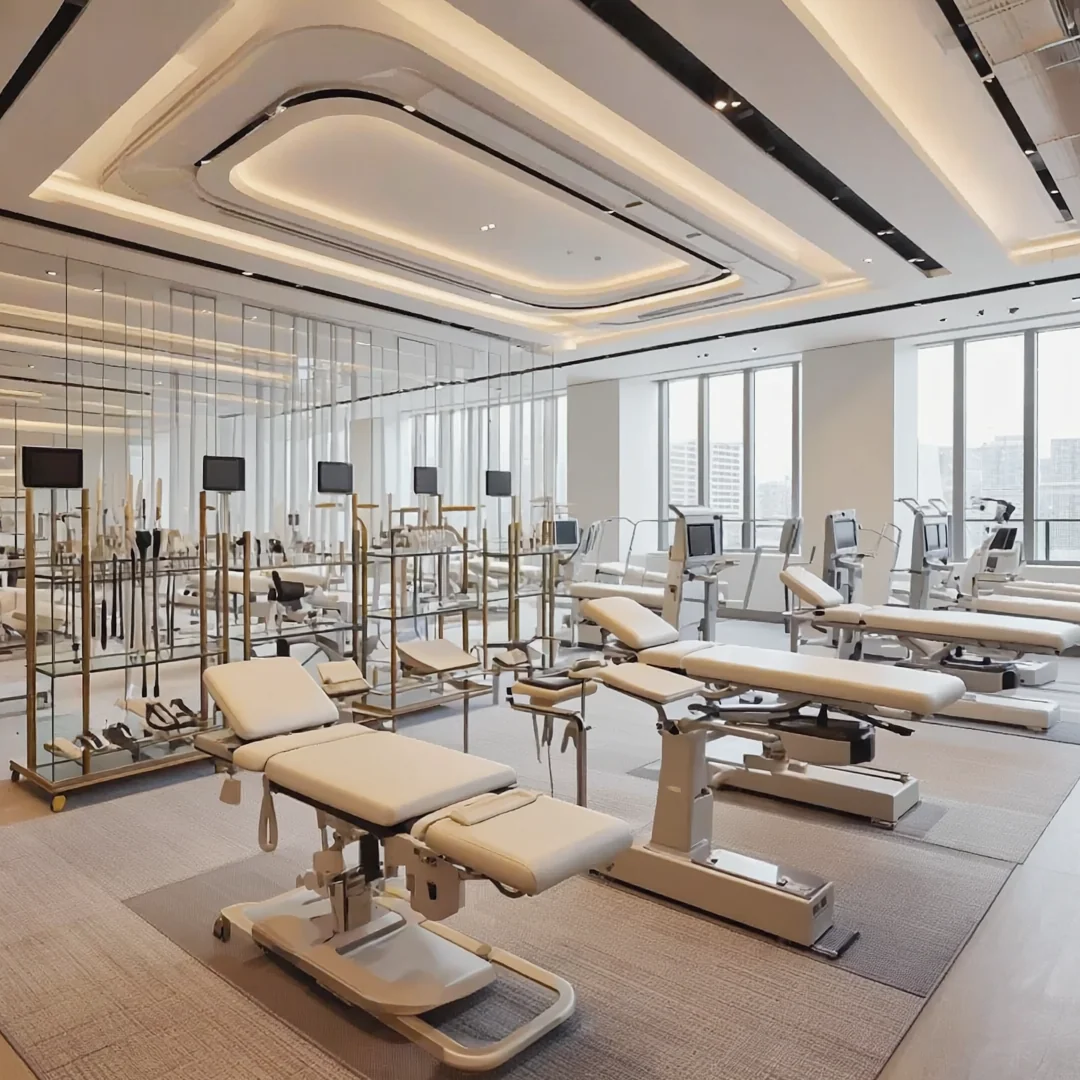
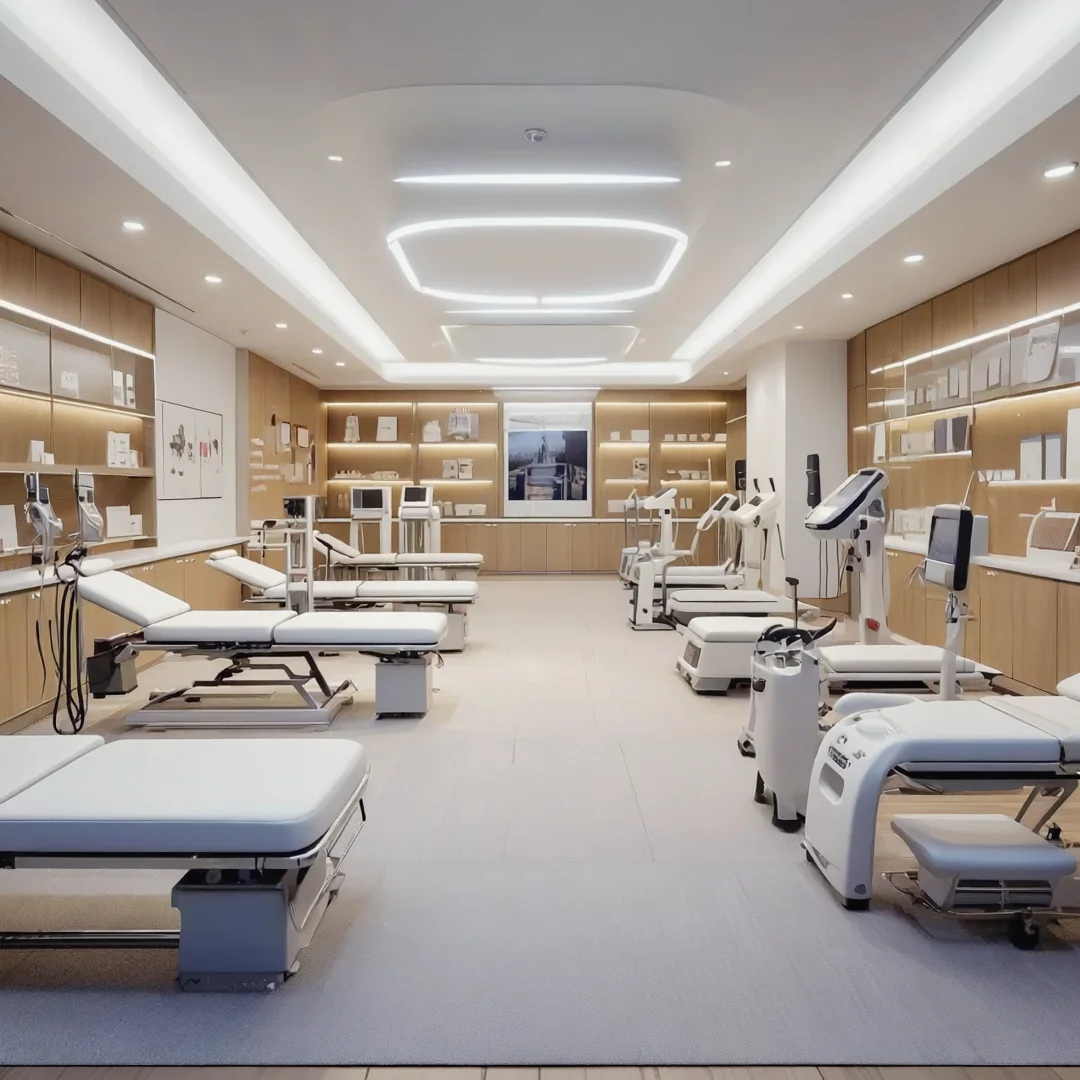
- Add real photos of the clinic and equipment without attaching miracle claims.
- Keep your service-area information consistent and relevant.
- Link to the service page from your back pain, sciatica, and disc pages.
- Set clear guardrails on review language so patients do not post claims you cannot make yourself.
- Use Business Profile posts for education, not cure claims.
Google Ads for Spinal Decompression
Paid search is a core part of spinal decompression marketing because it can fill the gap while your SEO matures. Structure campaigns around how patients think, and send each ad to a page that matches its promise.
| Campaign | Who it targets |
|---|---|
| Spinal decompression near me | Direct service demand |
| Sciatica treatment | Symptom-based demand |
| Herniated disc treatment | Condition-based demand |
| Back pain chiropractor | Broader local capture |
| Competitor or brand terms | Optional, and only where legally safe |
On the landing page side, keep one page per ad theme, avoid cure language, put a call button above the fold, lead with trust signals, include a short cost and insurance FAQ, and track both forms and phone calls. For the mechanics of mobile ad performance, see our notes on mobile optimization for chiropractic PPC campaigns. See our related breakdown of schema markup for chiropractic websites.
Conversion Strategy: Turning Spinal Decompression Marketing Traffic Into Consults
Traffic only matters if it books, and this is the stage where spinal decompression marketing either pays off or leaks money. The goal of every spinal decompression page is a consultation request, not a hard sell.
- Use a “Request a Consultation” call to action rather than transactional “buy” language.
- Keep the intake form short and easy to complete on a phone.
- Add call tracking, ideally wired through Google Tag Manager, so you know which channels actually drive bookings.
- Design mobile-first, with a sticky phone button.
- State your above-the-fold promise as condition plus location plus treatment option.
- Offer proof without overpromising results.
Compliance Mistakes to Avoid
Spinal decompression marketing attracts regulatory attention precisely because it is easy to overclaim. Protect the practice by steering clear of these:
- Do not claim the treatment “cures” disc problems.
- Do not guarantee pain relief.
- Do not imply that every patient is a candidate.
- Do not use fabricated before-and-after claims.
- Do not use fear-based spine messaging to pressure patients.
- Do not state that insurance always covers it.
Safer phrasing leans on language like “may help,” “candidate evaluation required,” “treatment options,” and “individual results vary.”
90-Day Spinal Decompression Marketing Plan
Here is a realistic sequence that builds foundation first, then demand, then optimization.
Days 1 to 30: Foundation
Build the main service page, add spinal decompression to your Google Business Profile services, set up call and form tracking, and create the first landing page for paid traffic.
Days 31 to 60: Demand
Publish the sciatica and herniated disc content, then launch a focused Google Ads campaign pointed at matching landing pages.
Days 61 to 90: Optimization
Add FAQs based on real search terms, improve conversion rate on the strongest pages, retarget previous visitors, and review which calls and forms are turning into booked patients. For the full picture, visit our piece on landing pages for chiropractic Google Ads.
Frequently Asked Questions
How do you market spinal decompression?
Lead with patient questions about safety, cost, and results, build a small cluster of clear pages, support it with local SEO, and use Google Ads to capture high-intent searches while your rankings grow.
Is spinal decompression SEO different from regular chiropractic SEO?
The fundamentals are the same, but the content has to work harder on proof and compliance because patients are more skeptical and the claims are more sensitive.
Should a chiropractor run Google Ads for spinal decompression?
In most competitive markets, yes. Paid search captures motivated patients immediately, which is useful while the slower SEO cluster matures.
What pages does a spinal decompression clinic need?
A main service page, condition pages for sciatica and herniated disc, and supporting articles on whether it works and what it costs. Keep it lean.
What claims should clinics avoid?
Avoid cure and guarantee language, fabricated testimonials, and blanket statements about insurance coverage. Use measured, candidacy-based phrasing instead.
How long does spinal decompression SEO take?
Expect a few months to build momentum. Paid ads can bridge the gap in the meantime, and the two reinforce each other over time.
Marketing a high-value service line like spinal decompression is one piece of a larger growth strategy. If you are weighing whether to handle it in house or bring in help, our breakdown of the top SEO agencies for chiropractors is a useful next read.