Knowing how to market chiropractic services in 2026 comes down to one shift. Stop treating marketing as random promotion, and start running it as a structured patient acquisition system. High-value service lines like neuropathy, spinal decompression, and laser therapy each deserve their own focused marketing. If you would like hands-on care, you can book a visit with Sakura Chiropractic.
The practices that grow consistently combine several channels that work together: local SEO, an optimized Google Business Profile, condition-specific service pages, patient reviews, online scheduling, email and SMS follow-up, paid search, and referral relationships. A website and a few social posts are not enough on their own.
Patients rarely search for “chiropractor” alone. They search by symptom, condition, and intent: back pain, neck pain, sciatica, headaches, whiplash, auto accident and sports injuries, poor posture, or specific needs like spinal decompression, the Activator technique, cash-pay care, and same-day appointments.
Strong chiropractic marketing meets each of those searches with the right message, the right page, and a clear next step. That next step is usually a phone call, an online booking, or a contact form.
What Chiropractic Marketing Looks Like in 2026
Effective chiropractic marketing is a connected system, not a list of one-off tactics. Every channel has one job: help nearby patients find you, trust you, and book an appointment.
That system is anchored in local SEO, Google Business Profile management, patient reviews, and condition-specific service pages. It is supported by online scheduling, paid search, email, SMS, social media, and referral outreach.
Whether your goal is new patients, better retention, or stronger local visibility, the principle stays the same. Done well, this does more than generate traffic. It produces qualified appointments, reduces no-shows, and builds the reputation that drives word-of-mouth.

Start With Patient Search Intent
The most common mistake in chiropractic marketing is speaking from the clinic’s point of view instead of the patient’s.
A chiropractor thinks in terms of spinal manipulation, subluxation correction, and adjustment protocols. Patients think in terms of low back pain, a stiff neck, a pinched nerve, or a shoulder that aches after a car accident. We cover this further in top SEO agencies for chiropractors.
Good marketing bridges that gap. It uses patient-facing language while still representing your clinical expertise accurately.
In practice, that means matching real queries. Think “chiropractor near me,” “back pain chiropractor,” “sciatica chiropractor near me,” “neck pain treatment in [city],” “auto accident chiropractor,” “how much does a chiropractor cost,” and “Activator chiropractor near me.”
The logic is simple. Patient symptoms create search intent. Search intent shapes your website content. That content leads to a booking.

Build a High-Converting Chiropractic Website
Your website is the hub of the whole system. Paid ads, local SEO, your Google Business Profile, social media, and email all send traffic back to it. If the site does not convert, every other investment loses value.
A strong chiropractic website helps patients quickly grasp what you treat, where you are, why they should trust you, and how to book. It should load fast on mobile, pass Core Web Vitals, and use LocalBusiness schema so search engines can surface you in local results.
At a minimum, it needs a visible appointment button, a tap-to-call number, and online scheduling or request forms. It also needs service pages for core treatments, condition pages for patient symptoms, patient reviews, real practice photos, provider bios, and clear insurance and cash-pay information.
Conversion rate optimization often delivers more new patients than adding traffic. Clear calls to action, frictionless scheduling, and visible phone numbers do a lot of the work.
A slow, vague, or hard-to-use mobile site raises bounce rates. It also signals low quality to search engines, which can suppress your Maps and organic rankings. Think of the site as a guided path: from symptom to service page, from service page to trust signal, from trust signal to booking.
Build Condition-Specific Service Pages
A single generic “Services” page cannot rank for the full range of conditions and techniques you treat. Search engines and high-intent patients both reward specificity. You can also explore neuropathy marketing.
Build individual landing pages for distinct topics. That includes conditions like back pain, lower back pain, neck pain, sciatica, herniated disc, whiplash, and headaches. It also includes treatments like spinal decompression, chiropractic adjustment, the Activator technique, and posture correction. And it covers patient types like auto accident, sports injury, prenatal, and pediatric care, where offered.
Each page should answer five questions. What problem does this service help with? Who is it for? What happens during the first visit? What should the patient expect? And how do they book?
This structure is how chiropractors build topical authority. It lets you rank for dozens of relevant queries instead of competing only on “chiropractor near me.”
Market Your Practice Locally With SEO
Local SEO is one of the highest-value channels for chiropractors. Most patients choose a provider close to home or work.
Appearing in the Google local pack produces a steady stream of inquiries without ongoing ad spend. That is the map result that sits at the top of local searches.
Strong local SEO depends on a few connected factors. You need NAP consistency (name, address, phone) across every directory and citation. You also need location-specific page content, internal linking between service and location pages, LocalBusiness schema, and optimized title tags and meta descriptions. For multi-office practices, that means a dedicated location page for each office.
The aim is to rank for searches like “chiropractor in [city],” “back pain chiropractor in [city],” “sciatica treatment near me,” and “auto accident chiropractor in [city].”
Avoid keyword stuffing. Repeating “chiropractor in [City]” unnaturally creates a poor reading experience and can trigger Google quality filters.
Write naturally instead, and let related terms do the work. For example: “Our chiropractic clinic in Dallas helps patients with back pain, neck pain, sciatica, headaches, posture concerns, sports injuries, and auto accident recovery.” That one sentence gives both patients and search engines useful geographic and topical context. See our related breakdown of spinal decompression marketing.
Optimize Your Google Business Profile
Your Google Business Profile (GBP) is one of the most important local ranking assets you have. It controls how you appear in Google Maps, the local pack, and knowledge panels.
For high-intent searches like “chiropractor near me” or “same-day chiropractic appointment,” patients often compare providers inside Maps before they ever reach a website. Your GBP is frequently the first impression and the first point of contact.
Keep it complete and accurate. That means a correct name, address, phone, and hours, plus a primary category and relevant secondary categories. Add service descriptions, an appointment link, and current photos of the clinic and team. Respond to reviews and post regular updates.
Your GBP details must match your website and citations exactly. Inconsistent NAP data across Yelp, Healthgrades, Bing Places, Apple Maps, and Zocdoc weakens ranking signals and confuses both patients and algorithms.
Use Patient Reviews for Ranking and Trust
Patient reviews are among the strongest combined ranking and conversion signals in local chiropractic marketing. Google treats review quantity, recency, and rating as proximity-independent ranking factors, so a practice with strong review velocity can outrank closer competitors.
A patient comparing three chiropractors almost always chooses the one with recent, specific, believable reviews. Review content that mentions conditions like sciatica, neck pain, or car accident recovery acts as a keyword and a trust signal at the same time.
Build a repeatable process. Request reviews consistently, monitor and respond professionally, and display reviews on your website. Place them near appointment buttons, as snippets on service pages, and on a dedicated testimonials page.
Avoid fake, purchased, or incentive-based reviews that violate FTC guidelines or platform terms. Any short-term gain is outweighed by the risk of GBP suspension.
The reviews that convert hesitant patients are not dramatic. They are specific and relatable. They mention that scheduling was easy, the chiropractor explained the visit clearly, the staff was professional, and the patient felt heard. For the full picture, visit our piece on laser therapy marketing.

Use Google Ads for High-Intent Leads
Google Ads can generate a reliable flow of new patient inquiries when campaigns target high-intent, bottom-of-funnel searches. The goal is to reach patients who are ready to book, not patients who are still researching.
Strong keywords include “chiropractor near me,” “chiropractor in [city],” and condition-specific terms like “back pain chiropractor,” “sciatica chiropractor,” “auto accident chiropractor,” “Activator chiropractor,” and “cash chiropractor.”
Paid search works best when the ad matches the landing page. Never send clicks to your homepage. A sciatica ad should lead to a sciatica page, an auto accident ad to an auto injury page, and an Activator ad to an Activator page.
This ad-to-page relevance improves your Quality Score, lowers cost per click, and lifts conversion rates.
Track the metrics that matter: phone calls, form submissions, booking clicks, cost per lead, booked appointments, new patient source, and revenue by channel. Clicks are useful, but booked patients are the real measure.

Market a Cash-Pay Chiropractic Office
Marketing a cash-pay office requires clear, confident positioning. Without insurance billing as a trigger, patients need to understand the value upfront. They want to know what they get, what it costs, and why paying out of pocket is worth it.
Cash-pay patients prioritize price transparency, predictability, flexibility, and respect for their time. Many also appreciate HSA and FSA eligibility, care-plan options, and no pre-authorization delays.
Create a dedicated cash-pay page that answers the obvious questions. How much does a visit cost? Are packages available? What is included in the first visit? Do you accept HSA or FSA cards? Do you provide superbills or also accept insurance?
Optimize the page for searches like “cash chiropractor near me,” “how much does a chiropractor cost without insurance,” and “affordable chiropractor in [city].”
Pricing clarity is the single most important element here. A patient who understands cost, visit structure, and expected outcomes is far more likely to book than one left guessing. Learn more in our article on the best chiropractic website features.
Market the Activator Technique to the Right Patients
If your practice uses the Activator Method, do not bury it in a generic services page. It has a distinct, searchable audience.
Queries like “Activator chiropractor near me” or “gentle chiropractic technique” often come from specific patients. They include older patients, those with osteoporosis or hypermobility concerns, and anyone who had a negative experience with manual high-velocity adjustments. A dedicated page lets these patients self-select before they call.
Build a page that explains what the Activator technique is, who may prefer it, how it differs from manual adjustment, what to expect during a visit, and how to book. Target keywords like “low-force chiropractic care,” “gentle chiropractic adjustment,” and “instrument-assisted chiropractic adjustment.”
Keep the language patient-friendly and avoid overpromising. For example: “Our practice offers the Activator technique, a low-force, instrument-assisted method, for patients who prefer a gentle alternative to manual adjustment, including seniors and those with bone-density concerns.”
Use Email to Retain and Reactivate Patients
Email is an underused retention channel. Most attention goes to acquisition, but reactivating lapsed patients by email usually costs far less per appointment than attracting new ones.
Email can support the whole patient lifecycle. That includes welcome sequences, appointment reminders, post-visit instructions, care-plan reminders, seasonal wellness tips, review requests, and reactivation sequences for patients who have not returned in 60 or 90 days.
Keep messages short, helpful, and easy to act on. Think “what to expect at your first visit,” “how posture affects neck tension,” and “what to do after an auto accident.”
For healthcare email, HIPAA compliance, explicit opt-in consent, and data security are non-negotiable. Stick to general wellness education and appointment messaging, and keep protected health information out of email. To go deeper, read our guide on a high converting chiropractic homepage.
Use SMS and Reminders to Reduce No-Shows
Text messaging improves follow-through. Useful workflows include appointment confirmations and reminders, missed-call follow-up, reactivation prompts, review requests, and simple scheduling links.
The goal is not to bombard patients. It is to reduce friction. A patient who forgets to confirm or delays booking may still convert with timely, professional follow-up.
Automated SMS reminders cut no-show rates, fill last-minute cancellations, and keep your schedule full without staff intervention. This works best when the tools integrate with your practice management system for two-way texting and recall messages.
Use Social Media for Local Brand Recognition
Social media is rarely the highest-intent channel. Still, it builds familiarity, reinforces local authority, and keeps your practice top-of-mind for patients who are not ready to book yet.
Effective content includes first-visit walkthroughs, doctor and team introductions, office photos, and FAQ videos. It also includes plain-language education on back pain, neck pain, posture, mobility, the Activator technique, auto accident care, and cash-pay options.
Avoid dramatic before-and-after claims, fear-based content, and overproduced medical theater. The content that works is useful, local, and human. It features real staff and real patients, with consent.
Market Chiropractic Services to Local Businesses
B2B chiropractic marketing works when you position it around employee wellness, workplace ergonomics, desk posture, and repetitive-strain injury prevention.
Companies with physically demanding jobs or large desk-based workforces are especially receptive. Good targets include warehouses, construction and transportation firms, gyms, schools, police and fire departments, and office-heavy employers. You can offer posture workshops, ergonomic lunch-and-learns, mobility screenings, employee wellness talks, and local partnership discounts.
The goal is not aggressive sales. It is to position your practice as a trusted local resource for back pain, neck pain, and work-related injury. A simple outreach angle works well: “Our office helps local employees with posture, back pain prevention, and mobility habits that support healthier, more productive workdays.” We cover this further in landing pages for chiropractic Google Ads.
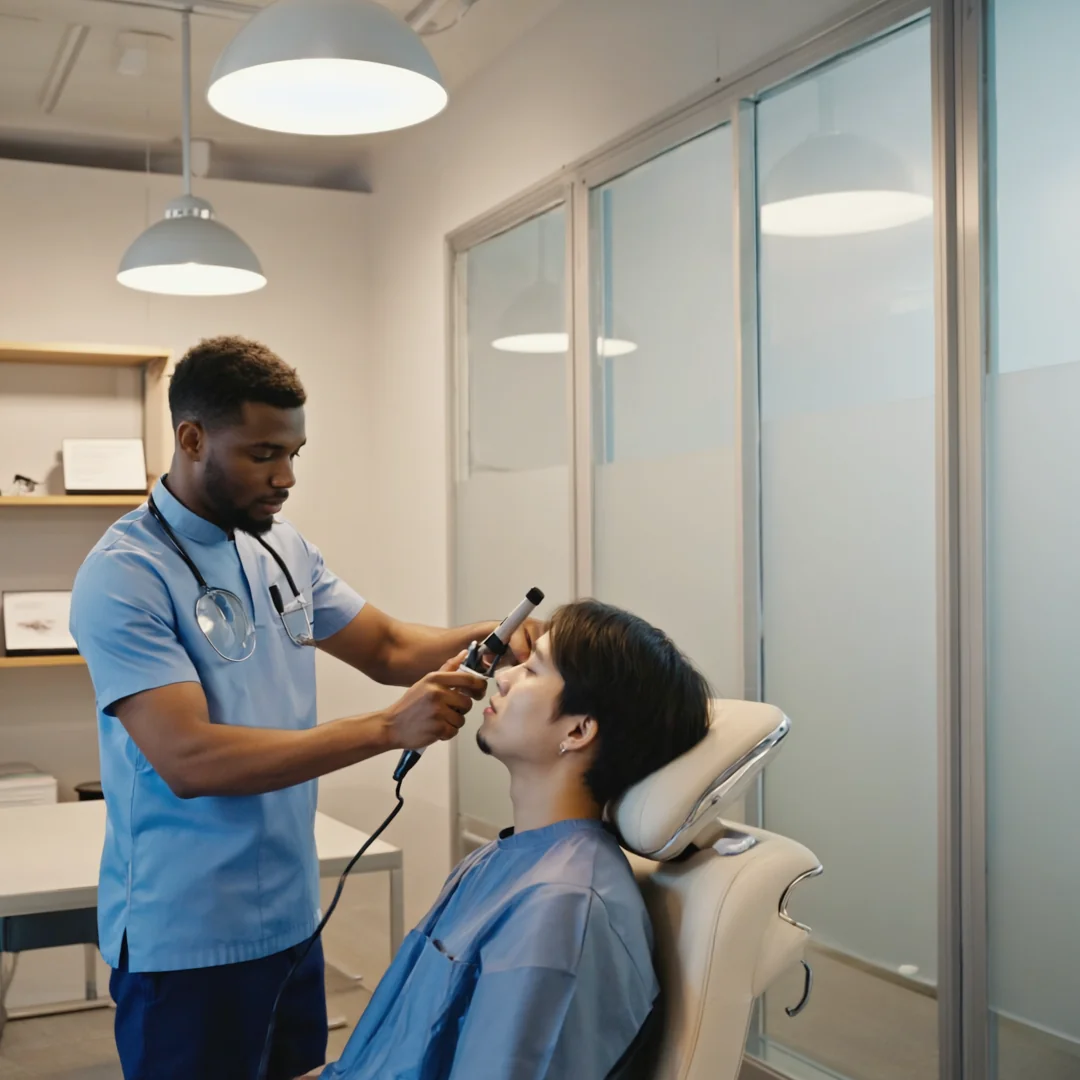
Market to Medical Doctors and Medical Offices
Co-referral relationships with medical providers can be one of the highest-quality patient sources you have. Patients referred by a primary care physician, orthopedic surgeon, or physical therapist arrive with built-in trust, a clear clinical need, and higher care-plan compliance.
Potential referral sources include primary care, orthopedic, physical therapy, pain management, sports medicine, and urgent care practices, along with offices treating auto-injury patients.
When you reach out, avoid vague pitches. Be specific about your clinical focus, location, referral process, communication standards, and patient experience. Explain which patients make appropriate referrals. The aim is to build confidence that referred patients will be handled professionally.
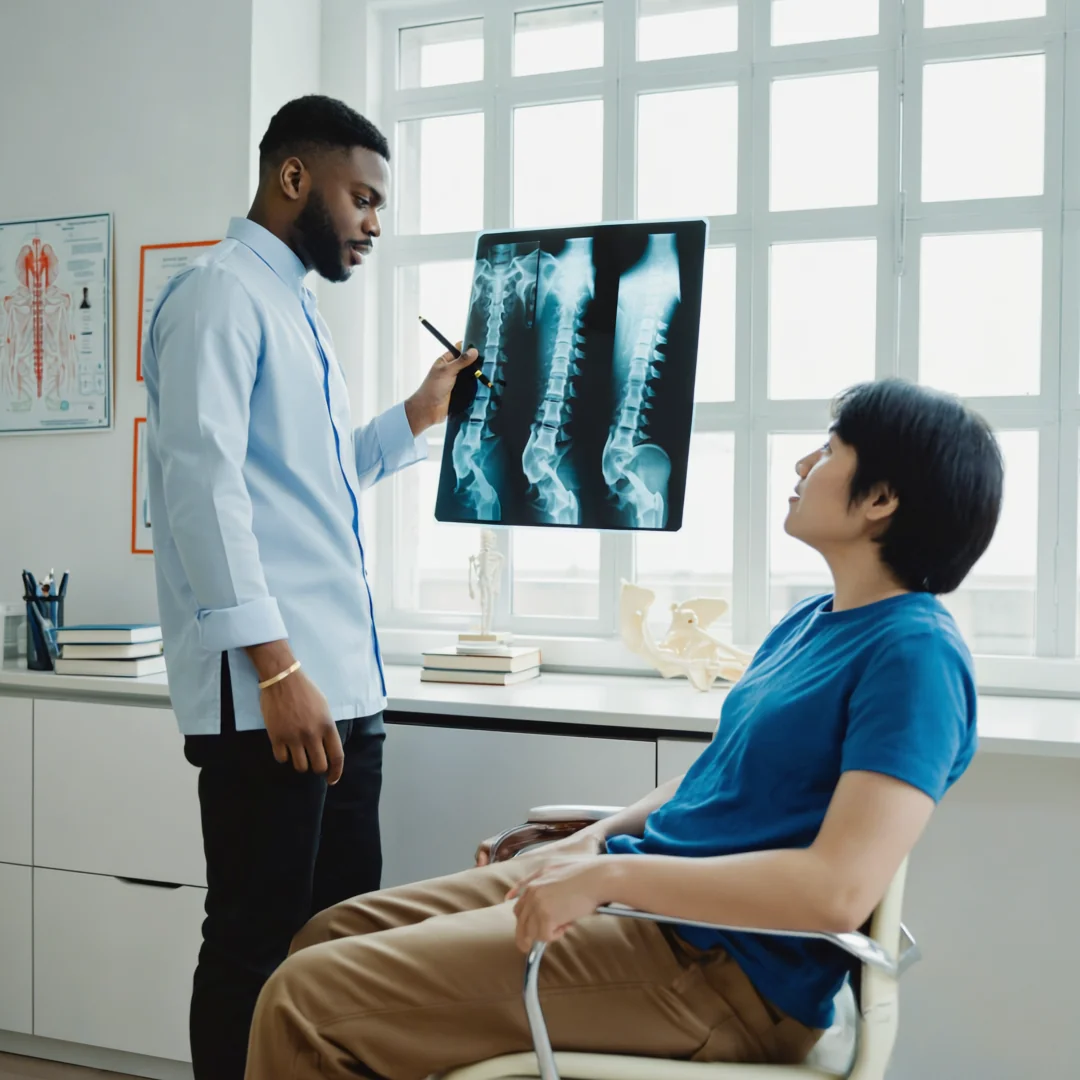
Build Referrals Inside Doctor’s Offices
Start by identifying practices whose patients overlap with chiropractic care. That includes primary care, orthopedics, sports medicine, pain management, urgent care, and physical therapy. Prepare a concise, professional one-page overview before making contact.
Do not arrive with a stack of generic flyers. Office managers are busy and receive frequent cold outreach. A brief, specific introduction that references the conditions you treat works far better than a brochure.
Your one-sheet can include your practice name, location, provider credentials, services, commonly treated conditions, scheduling process, insurance or cash-pay details, and a referral contact.
One habit matters most. After receiving a referral, send a brief clinical summary or progress note back to the referring provider. That single step dramatically increases the odds of a second referral.
A Simple Doctor’s Office Outreach Script
“Hi, my name is [Name], and I’m with [Practice Name], a chiropractic office in [City]. We help patients with back pain, neck pain, sciatica, whiplash, sports injuries, and mobility concerns. Who handles referral relationships or community provider information for your office? We have a short one-page overview we’d be happy to share.”
If they are receptive, offer to send your provider details, services, location, and scheduling process. If not, thank them for their time and move on. Keep it calm and professional, with no pushiness.
Market to Personal Injury Lawyers
Marketing to personal injury attorneys is most relevant if you treat auto accident injuries, whiplash, and soft-tissue trauma documented in injury claims.
Attorneys need chiropractors they can trust for thorough documentation, defensible SOAP notes, and, if required, expert testimony. This includes auto accident, workers’ compensation, and motor-vehicle-accident firms. Your materials should clearly explain your auto accident services, whiplash evaluation, documentation process, appointment availability, communication standards, and any billing or lien policies.
Compliance is essential in this channel. Avoid any arrangement that resembles patient brokering or fee-splitting, which can violate state anti-kickback statutes. Get state-specific legal advice before establishing a structured referral program.
In this channel, documentation quality, communication reliability, and medicolegal credibility matter far more than marketing materials. Attorneys refer to chiropractors they trust to support the patient’s case.

Grow Through Referral Partnerships
Referrals remain one of the highest-quality sources of new patients. They arrive with pre-built trust, higher compliance, and stronger word-of-mouth potential.
Beyond medical providers and attorneys, strong partners include physical and occupational therapists, massage therapists, personal trainers and gyms, CrossFit coaches, yoga and Pilates studios, local employers with occupational health needs, and community wellness organizations.
The best partnerships are built on clinical trust, not transactions. Partners want to know patients will be treated well, scheduling will be easy, communication will be professional, and the patient will return happy. Your reputation and materials should make those answers obvious before a partner ever calls.
How to Improve Your Chiropractic Marketing Skills
If you want to get better at chiropractic marketing, focus first on the relationship between patient search intent and conversion. Understanding why a patient searches a phrase is more valuable than knowing which button to click in Google Ads.
Build core skills in local SEO, Google Business Profile management, patient search intent, service-page copywriting, conversion data, call and form tracking, review generation, basic Google Ads structure, and landing-page strategy.
The best chiropractic marketers understand both visibility and conversion. Visibility gets patients to find you. Conversion gets them to act. Communication gets them to show up and return.
You do not need to master every platform at once. Start with website conversion, your Google Business Profile, review generation, and conversion tracking. Those four areas, done well, outperform scattered multi-channel activity done poorly.
Should You Market Your Own Clinic?
It depends on your time, skills, budget, and growth goals.
You can likely handle the practice-level basics in-house. That includes updating your Google Business Profile, requesting and responding to reviews, posting basic social content, writing patient-education articles, taking authentic photos, and monitoring forms and call tracking.
Specialist support typically pays off for the technical work. That includes local SEO strategy and citation management, website design and conversion optimization, Google Ads management, analytics setup, condition-specific landing pages, multi-location and technical SEO, schema markup, and patient-communication automation.
The practical answer is a hybrid. Keep simple tasks in-house, and bring in expertise for technical or growth-critical work, where mistakes carry real cost. A chiropractor who spends 15 hours a week on marketing is one treating fewer patients. The goal is not to become a full-time marketer. It is to understand enough to make good decisions about where to invest and whom to trust.
Match Marketing Channels to Patient Intent
| Patient intent | Best channel | Example search or need |
|---|---|---|
| Ready to book | Google Business Profile, Google Ads, local SEO | “Chiropractor near me” |
| Comparing providers | Reviews, website, provider bios | “Best chiropractor in [city]” |
| Researching symptoms | Blog posts, condition pages, FAQs | “Can a chiropractor help sciatica?” |
| Looking for a technique | Service page, SEO, paid search | “Activator chiropractor near me” |
| Wanting price clarity | Cash-pay page, insurance page | “How much does a chiropractor cost?” |
| Returning for care | Email, SMS, reminders | Follow-up appointment reminder |
| Referral-based | Medical offices, lawyers, businesses | Auto accident or workplace wellness referral |
The most effective marketing plan aligns each channel with the patient’s stage of decision-making, from symptom awareness to booking. Spending on channels that reach patients at the wrong stage wastes budget and inflates cost per acquisition.
A 90-Day Chiropractic Marketing Plan
If you are starting from scratch or rebuilding, a phased plan prevents overwhelm. It also ensures the foundations are in place before you scale paid channels or outreach.
Days 1 to 30: Fix the Foundation
Update your homepage and improve your mobile site. Add clear appointment buttons and optimize your Google Business Profile. Add real practice photos and reviews, create or improve your contact page, set up call and form tracking, clarify insurance and payment information, and check NAP consistency across directories.
Days 31 to 60: Build Search Visibility
Create service pages for back pain, neck pain, sciatica, and auto accident care. Add Activator and cash-pay pages where relevant. Then add FAQs to those pages, improve internal links, publish one or two patient-education articles, add provider bios, and keep requesting reviews consistently.
Days 61 to 90: Scale What Works
Launch Google Ads for high-intent keywords, sent to matching landing pages. Start email reactivation campaigns and turn on SMS reminders. Begin referral outreach to medical offices and, where relevant, personal injury attorneys. Add business wellness outreach, review your tracking data, and double down on the channels producing booked appointments.
Chiropractic Marketing Checklist for 2026
Use this checklist to audit your current marketing and find the highest-priority gaps.
Website
- Is your phone number easy to tap and your appointment button clearly visible?
- Can patients request or schedule appointments online, and does the site load fast on mobile?
- Do you show patient reviews, real practice photos, and strong provider bios?
- Do you clearly explain insurance and cash-pay options?
SEO
- Do you have pages for back pain, neck pain, sciatica, whiplash, and auto accident care, plus Activator if offered?
- Do your pages mention your city naturally and answer real patient questions?
- Is your Google Business Profile complete, with location pages for multiple offices?
- Do you use internal links between related pages?
Reputation
- Are you requesting and responding to reviews consistently?
- Are reviews visible on your website, with recent social proof?
- Are you avoiding fake or incentivized reviews?
Paid Ads
- Are campaigns focused on high-intent keywords and sent to matching landing pages?
- Are calls and forms tracked, with a known cost per lead?
- Do you know which leads become booked appointments?
Patient Communication
- Do patients receive appointment reminders, and do missed calls get follow-up?
- Are appointment requests answered quickly?
- Do you run reactivation campaigns and request reviews after visits?
Referral Marketing
- Do you have a one-page referral sheet and a professional, easy-to-explain process?
- Have you identified medical offices, local businesses, and attorney opportunities with patient overlap?
FAQ: How to Market Chiropractic Services
How do you market chiropractic services in 2026?
Build a connected local SEO foundation first. That means a Google Business Profile, condition-specific service pages, patient reviews, and citation consistency. Then layer on Google Ads for immediate high-intent traffic, email and SMS for retention, and referral outreach to medical offices, employers, and personal injury attorneys.
How do you market a chiropractic business locally?
Optimize your website for city- and condition-specific searches. Maintain NAP consistency across all directories, including Google, Yelp, Healthgrades, Bing, and Apple Maps. Build your Google Business Profile with current photos and posts, and generate a steady stream of Google reviews. Together, these signals determine your local pack ranking.
How do you market a chiropractic practice without wasting money?
Fix your conversion foundation first. That means a fast mobile website, clear appointment calls to action, a complete Google Business Profile, and a working review process. Track phone calls and form submissions by source before spending on Google Ads. Data, not activity, should tell you which channels actually earn patients.
How do you market a cash-pay chiropractic office?
Lead with price transparency, scheduling simplicity, and the absence of insurance friction. Create a dedicated cash-pay page that explains visit cost, care-plan options, HSA and FSA eligibility, and what the first appointment includes. Setting clear expectations upfront helps cash-pay patients commit to their care plans.
How do you market the Activator chiropractic technique?
Build a dedicated page that explains the Activator Method instrument, who benefits from low-force adjustments, how it differs from manual manipulation, and what a session involves. Optimize it for searches like “Activator chiropractor near me,” “gentle chiropractic technique,” and “instrument-assisted chiropractic adjustment.”
How do you market chiropractic to medical doctors and offices?
Lead with clinical specificity. Explain which conditions you treat, your documentation standards, and your intake and communication process, ideally on a concise referral one-sheet. Sending a brief progress note after each referred patient is seen, without being asked, is the single most effective way to build a durable referral relationship.
How do you market chiropractic to local businesses?
Position your practice around workplace wellness, ergonomics, occupational injury prevention, and employee back health. Offer corporate lunch-and-learns, posture workshops, and flexible team scheduling. Target high-physical-demand or desk-heavy industries such as construction, transportation, manufacturing, and technology.
How do you market a chiropractic practice to personal injury lawyers?
Demonstrate clinical competence, documentation thoroughness, and communication reliability. Attorneys who send auto accident and personal injury patients need confidence that records will be complete, SOAP notes defensible, and the chiropractor available to support the case. Keep the relationship compliant with anti-kickback rules.
Should I market my own chiropractic clinic?
You can handle Google Business Profile updates, review requests, and basic social content yourself. Technical SEO, Google Ads management, website development, and multi-location marketing require specialist skills, where mistakes carry real cost. Many practices use a hybrid approach: practice-level tasks in-house, and specialists for growth-critical work.
Final Thoughts: Marketing as a Connected System
The most effective way to market chiropractic services in 2026 is to build a connected system anchored in patient search intent. Every channel should reinforce the others rather than work in isolation.
That system includes a high-converting website, local SEO with strong NAP consistency, an optimized Google Business Profile, and a steady stream of verified reviews. It also includes condition-specific service pages, Google Ads for immediate inquiries, email and SMS for retention, structured referral outreach, and conversion tracking that links spend to booked appointments.
Done well, this does more than produce traffic. It builds search authority and E-E-A-T signals, generates social proof, and creates the trust that turns a first-time visitor into a long-term patient.
Patients need to find you, understand what you treat, believe you are the right provider for their condition, and book with minimal friction.
If your current marketing feels scattered, start with the highest-impact basics. Fix your website calls to action, optimize your Google Business Profile, build service pages around patient searches, request reviews consistently, and connect your patient-communication workflows. That is how chiropractic marketing becomes a reliable, measurable engine for patient acquisition and retention.