
Is Chiropractic Good for Herniated Disc, Spinal Stenosis, or Spondylolisthesis?
Quick answer: Chiropractic for a herniated disc may help some people with back or neck pain related to a herniated disc, mild spinal stenosis, or low-grade spondylolisthesis, especially when treatment is gentle, conservative, and based on a proper exam. But chiropractic is not right for every spine condition. Severe nerve compression, progressive weakness, unstable spinal slippage, bladder or bowel changes, saddle numbness, fracture, infection, cancer, or worsening neurological symptoms require medical evaluation. When a nerve is involved, our article on Will Chiropractic Help a Pinched Nerve?. If you would like hands-on care, you can book a visit with Sakura Chiropractic.
A spine diagnosis changes the conversation.
General back stiffness is one thing. A herniated disc, spinal stenosis, or spondylolisthesis is more specific. These conditions can involve discs, nerves, joints, spinal canal narrowing, vertebral slippage, inflammation, or structural instability. For a detailed anatomical overview of disc conditions, Spine-health provides useful reference material.
That does not automatically mean chiropractic care is dangerous. It also does not automatically mean chiropractic care is the answer.
The right question is not:
“Is chiropractic good for this condition?”
The better question is:
What type of spine problem do I have, how severe is it, are nerves involved, and what type of conservative care is safest for my case?
That is where good clinical reasoning begins.
The Big Difference Between These Three Conditions
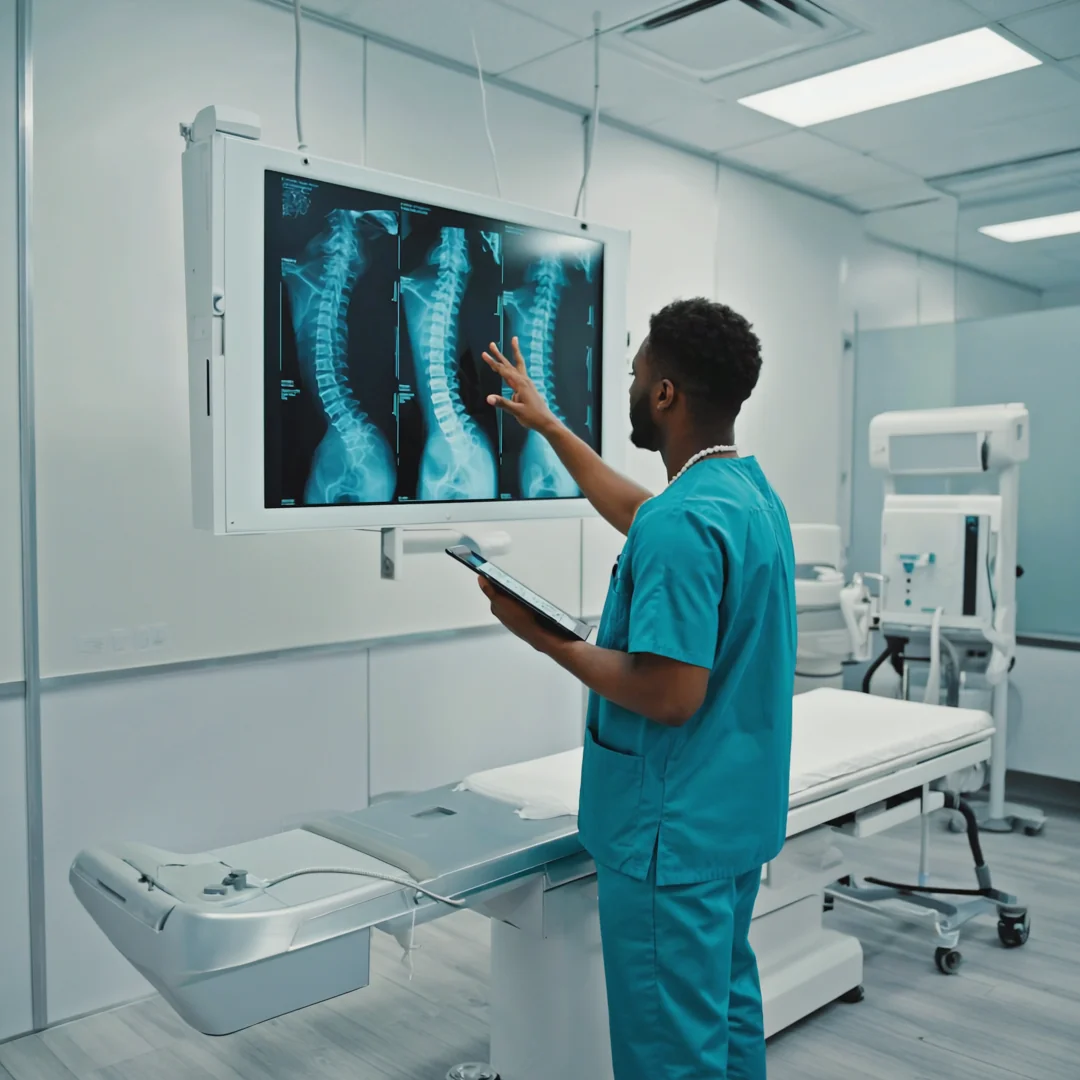
Herniated disc, spinal stenosis, and spondylolisthesis can all cause back pain, neck pain, sciatica-like symptoms, numbness, tingling, or weakness. But they are not the same thing.
| Condition | What It Means | Common Symptoms |
|---|---|---|
| Herniated disc | Disc material pushes out and may irritate a nerve | Back or neck pain, arm or leg pain, numbness, tingling, weakness |
| Spinal stenosis | The spinal canal or nerve openings become narrowed | Leg pain, cramping, numbness, weakness, worse with walking or standing |
| Spondylolisthesis | One vertebra slips forward over another | Low back pain, stiffness, leg pain, hamstring tightness, trouble standing or walking |
A chiropractor should not treat these conditions as interchangeable. The safest technique for one may be inappropriate for another.
Can Chiropractic Help a Herniated Disc?
Chiropractic care may help some people with herniated disc-related pain, especially when symptoms are stable, mild to moderate, and part of a conservative care plan.
A herniated disc happens when the softer inner material of a spinal disc pushes through the outer layer. Sometimes it causes no symptoms. Other times it irritates or compresses a nearby nerve. We cover this further in chiropractic care for a pinched nerve.
A herniated disc may cause:
- Low back pain
- Neck pain
- Sciatica-like leg pain
- Arm pain
- Numbness
- Tingling
- Muscle weakness
- Pain that worsens with sitting, bending, coughing, or sneezing
Chiropractic care may aim to reduce pain, improve movement, decrease muscle guarding, and help you move with less fear. Treatment may include spinal mobilization, gentle manipulation, flexion-distraction, soft tissue therapy, exercise guidance, posture work, or referral when needed.
The key guardrail:
Chiropractic care may help symptoms around a herniated disc, but it does not magically push disc material back into place.
That claim belongs in the SEO garbage bin.
When Chiropractic May Be Reasonable for a Herniated Disc
Chiropractic care may be reasonable when:
- Pain is mild to moderate
- Symptoms are stable or improving
- There is no progressive weakness
- There are no bladder or bowel changes
- There is no saddle numbness
- You can walk normally
- Treatment is gentle and symptom-guided
- The plan includes reassessment
- Exercises or activity guidance are included
- Referral is available if symptoms worsen
A good plan should start conservatively. The chiropractor may avoid aggressive twisting, especially if symptoms are irritable or radiating into an arm or leg.
Useful approaches may include:
- Gentle mobilization
- Flexion-distraction
- Soft tissue therapy
- Walking guidance
- Core stabilization
- McKenzie-style directional preference exercises when appropriate
- Hip mobility work
- Nerve-friendly movement
- Education on sitting, lifting, and sleep positions
The goal is to calm the nerve, restore function, and avoid movements that flare symptoms.
When Chiropractic May Not Be Appropriate for a Herniated Disc
Chiropractic may not be appropriate, or may need medical clearance first, when symptoms suggest serious nerve compression or another condition.
Seek medical evaluation urgently if you have:
- Worsening weakness
- Loss of bladder or bowel control
- Trouble urinating
- Saddle numbness
- Trouble walking
- Severe pain after trauma
- Fever with spine pain
- History of cancer with new spine pain
- Pain, numbness, or weakness that rapidly worsens
- Symptoms that make normal daily activity difficult
These signs can suggest serious nerve involvement. Repeating adjustments while nerve function declines is not a plan. It is playing chess with a smoke alarm. You can also explore how many chiropractic sessions you may need.
Does Chiropractic Help Spinal Stenosis?
Chiropractic care may help some people with spinal stenosis-related symptoms, but it depends heavily on severity, symptom pattern, and technique.
Spinal stenosis means the space around the spinal cord or nerve roots has narrowed. This can irritate or compress nerves.
Lumbar spinal stenosis often causes symptoms such as:
- Low back pain
- Buttock pain
- Leg pain
- Leg cramping
- Numbness
- Tingling
- Weakness
- Symptoms worse with walking or standing
- Symptoms better with sitting or bending forward
That “better when sitting or leaning forward” pattern is an important clue. Many people with lumbar stenosis feel better when using a shopping cart because flexing forward can open space in the spine. To understand the typical course of care, see How Many Chiropractic Sessions Do I Need?.
Chiropractic care for spinal stenosis should usually be gentle, flexion-friendly, and focused on mobility, symptom control, posture, strength, and walking tolerance.
When Chiropractic May Help Spinal Stenosis
Chiropractic may be worth considering for spinal stenosis when symptoms are mild to moderate, stable, and managed as part of conservative care.
A plan may include:
- Gentle spinal mobilization
- Flexion-distraction
- Soft tissue therapy
- Hip mobility work
- Core strengthening
- Glute strengthening
- Walking modifications
- Balance work
- Posture coaching
- Home exercises
- Referral to physical therapy or medical care when needed
The goal is not to “open the spine permanently” with an adjustment. The goal is to improve comfort, function, movement tolerance, and symptom management.
Spinal stenosis is often a structural narrowing problem. Manual therapy may help symptoms, but it does not erase bony narrowing, arthritic change, or ligament thickening.
When Chiropractic May Not Be Enough for Spinal Stenosis
Chiropractic care may not be enough if spinal stenosis is severe, progressive, or significantly affecting nerve function.
Medical evaluation may be needed if you have:
- Progressive leg weakness
- Severe walking limitation
- Numbness that worsens
- Frequent falls
- Loss of bladder or bowel control
- Saddle numbness
- Symptoms in both legs that are worsening
- Severe neck stenosis symptoms
- Balance or hand coordination problems
- Symptoms that do not improve with conservative care
Some people with spinal stenosis benefit from conservative care. Others may need medication, injections, imaging, physical therapy, or surgical consultation.
A chiropractor should not treat spinal stenosis like simple stiffness.
Can Chiropractic Make Spondylolisthesis Worse?
Chiropractic care could worsen spondylolisthesis symptoms if treatment is too aggressive, poorly matched to the patient, or applied without understanding the grade and stability of the slip. See our related breakdown of how long a chiropractic appointment takes.
Spondylolisthesis happens when one vertebra slips forward over the one below it. Some cases are mild and stable. Others are more severe or unstable.
Symptoms may include:
- Low back pain
- Back stiffness
- Buttock pain
- Leg pain
- Sciatica-like symptoms
- Hamstring tightness
- Trouble standing or walking
- Numbness, tingling, or weakness in the legs or feet
The big issue is stability.
Low-grade, stable spondylolisthesis may be managed conservatively in many cases. High-grade, unstable, or neurologically involved spondylolisthesis needs more caution.
A chiropractor should know whether your spondylolisthesis is low-grade or high-grade, stable or unstable, symptomatic or incidental, and whether nerves are affected.
When Chiropractic May Be Reasonable for Spondylolisthesis
Chiropractic care may be reasonable for some people with low-grade, stable spondylolisthesis when the approach is gentle and focused on symptom management.
A safe conservative plan may include:
- Gentle mobilization around restricted areas
- Avoiding aggressive thrusts at the unstable segment
- Soft tissue therapy
- Core stabilization
- Glute strengthening
- Hip mobility work
- Hamstring mobility
- Posture and lifting education
- Activity modification
- Referral when symptoms suggest instability or nerve compression
The treatment should not be “crack the slipped bone back in.” That is not how spondylolisthesis works.
A better goal is:
Reduce pain, improve support around the spine, and avoid loading patterns that aggravate the slip.
When Chiropractic May Be Risky for Spondylolisthesis
Chiropractic may be risky or inappropriate when spondylolisthesis is high-grade, unstable, worsening, or associated with neurological symptoms.
Use caution if you have:
- Known high-grade slippage
- Worsening leg weakness
- Increasing numbness or tingling
- Trouble walking
- Pain that worsens with extension
- Symptoms in both legs
- Recent trauma
- Prior spine surgery
- Loss of bladder or bowel control
- Saddle numbness
- Imaging showing instability
In these cases, medical evaluation, physical therapy, bracing, pain management, or surgical consultation may be more appropriate.
The more structural instability is involved, the more cautious manual therapy needs to be.
Herniated Disc vs. Spinal Stenosis vs. Spondylolisthesis: Chiropractic Fit
Here is the practical comparison:
| Condition | Chiropractic May Help When | Be Careful When |
|---|---|---|
| Herniated disc | Symptoms are stable, mild to moderate, and mechanical | Weakness, bladder/bowel changes, saddle numbness, worsening nerve symptoms |
| Spinal stenosis | Symptoms are mild to moderate and improve with conservative movement-based care | Walking ability declines, weakness worsens, balance problems appear |
| Spondylolisthesis | Slip is low-grade, stable, and symptoms are manageable | Slip is high-grade, unstable, or nerve symptoms are progressing |
The shared rule:
Chiropractic care is more reasonable when symptoms are stable and less reasonable when neurological function is worsening.
What Type of Chiropractic Technique Is Safer for These Conditions?
Technique choice matters.
For disc problems, stenosis, or spondylolisthesis, a chiropractor may choose gentler techniques such as:
- Flexion-distraction
- Drop-table technique
- Instrument-assisted adjustments
- Gentle mobilization
- Soft tissue therapy
- Low-force techniques
- Stabilization exercises
- Activity modification
- Nerve-friendly movement strategies
A chiropractor may avoid or modify:
- Aggressive twisting
- High-force manipulation at unstable segments
- Extension-heavy loading for stenosis or spondylolisthesis
- Techniques that reproduce radiating symptoms
- Treatment that increases numbness or weakness
The best technique is not the loudest one. The best technique is the one that fits the diagnosis and does not provoke the nervous system. For the full picture, visit our piece on how often to get chiropractic adjustments.
Should You Get Adjusted If You Have a Herniated Disc?
Maybe, but only after a proper exam.
An adjustment may be appropriate for some people with herniated disc-related back pain. But the chiropractor should evaluate symptoms first and choose a technique that does not worsen nerve irritation.
Before getting adjusted, ask:
- Do my symptoms suggest nerve compression?
- Do I have weakness, reflex changes, or sensory loss?
- Is this technique safe for my condition?
- Are there gentler options?
- What should improve after treatment?
- What symptoms mean I should stop and seek care?
A good provider should explain the reasoning, not just move straight to the table.
Should You Get Adjusted If You Have Spinal Stenosis?
Maybe, but the approach should be conservative and symptom-guided.
People with spinal stenosis may do better with flexion-friendly positions, gentle mobility, strengthening, balance work, and walking modifications. Aggressive techniques that flare leg symptoms are not a good sign.
Ask whether the plan includes:
- Exercises
- Walking tolerance goals
- Hip and core strengthening
- Flexion-friendly modifications
- Reassessment
- Referral if symptoms worsen
If your walking tolerance is declining or leg weakness is worsening, see a medical provider.
Should You Get Adjusted If You Have Spondylolisthesis?
Maybe, if the spondylolisthesis is low-grade, stable, and your provider uses appropriate techniques.
But aggressive manipulation at or near an unstable segment may not be appropriate.
Ask:
- What grade is the spondylolisthesis?
- Is it stable?
- Are nerves involved?
- Are you adjusting the slipped segment directly?
- What techniques are you avoiding?
- What exercises will help stabilize the area?
- When should I see a spine specialist?
If your chiropractor cannot answer those questions, the appointment needs more homework. To know what to expect timing-wise, read How Long Is a Chiropractic Appointment?.
What Should a Chiropractor Check Before Treating These Conditions?
A responsible chiropractor should check more than where it hurts.
A visit may include:
- Health history
- Symptom timeline
- Pain location and radiation pattern
- Numbness or tingling review
- Muscle strength screening
- Reflex testing when appropriate
- Sensation testing
- Range of motion
- Orthopedic testing
- Gait or balance screening
- Review of imaging if available
- Red flag screening
- Discussion of risks, benefits, and alternatives
The treatment plan should be based on the findings.
A diagnosis name alone is not enough. Severity and symptoms decide the plan.
Do You Need Imaging Before Chiropractic Care?
Not always.
Many cases of back or neck pain do not need imaging right away. But imaging may be appropriate when there are red flags, trauma, severe or worsening neurological symptoms, history of cancer, suspected fracture, infection signs, or symptoms that do not improve with conservative care.
Imaging may include:
- X-ray
- MRI
- CT scan
- Flexion-extension X-rays for suspected instability
- EMG or nerve conduction studies in some nerve cases
If you already have imaging, bring the report to your chiropractor. But remember: imaging findings and pain do not always match perfectly. Some people have disc bulges or arthritis on imaging without major symptoms.
The report matters, but the exam matters too.
What Conservative Treatments May Help?
Chiropractic care is only one conservative option.
Depending on the condition, conservative care may include:
- Physical therapy
- Exercise therapy
- Walking program
- Core strengthening
- Hip strengthening
- Anti-inflammatory medication when appropriate
- Heat or ice
- Activity modification
- Ergonomic changes
- Weight management when relevant
- Bracing for some spondylolisthesis cases
- Epidural steroid injections in selected cases
- Pain management
- Education on flare-up control
- Sleep and sitting modifications
For many spine conditions, a combined plan works better than one tool alone.
The spine usually does not want a heroic single solution. It wants a boringly effective system.
What Exercises Are Often Used?
Exercises depend on the diagnosis.
For herniated disc symptoms, exercises may include:
- Walking
- Gentle extension or flexion work depending on directional preference
- Core stabilization
- Hip mobility
- Nerve glides when appropriate
- Gradual strengthening
For spinal stenosis, exercises may include:
- Flexion-biased mobility
- Stationary bike
- Core strengthening
- Glute strengthening
- Hip mobility
- Balance training
- Walking intervals
For spondylolisthesis, exercises may include:
- Core stabilization
- Glute strengthening
- Neutral spine training
- Hamstring mobility
- Hip stability
- Avoidance of painful extension-heavy movements
Exercises should be matched to symptoms. A drill that helps one condition may aggravate another.
What Should You Avoid?
Avoid movements or treatments that clearly worsen symptoms.
Depending on the condition, this may include:
- Heavy lifting during a flare
- Repeated bending if it worsens disc symptoms
- Prolonged standing or walking if stenosis flares
- Aggressive extension if spondylolisthesis symptoms worsen
- High-force manipulation that increases radiating pain
- Pushing through numbness or weakness
- Ignoring bladder or bowel changes
- Waiting too long when neurological symptoms progress
The goal is not fear. The goal is intelligent loading.
When Should You See a Spine Specialist?
Consider seeing a medical provider or spine specialist if:
- Symptoms are worsening
- Weakness is increasing
- Walking tolerance is declining
- Pain travels down both legs
- You have numbness or tingling that progresses
- Conservative care is not helping
- Imaging shows severe stenosis or high-grade slippage
- Pain is severe and persistent
- You have bladder or bowel changes
- You have saddle numbness
- You have balance or coordination problems
A spine specialist may recommend imaging, medication, injections, physical therapy, or surgery depending on the case.
Seeing a specialist does not mean surgery is guaranteed. It means the problem deserves a deeper look.
Can Chiropractic Prevent Surgery?
Chiropractic care may help some people manage symptoms conservatively, and some people improve without surgery. But no provider should promise chiropractic care will prevent surgery.
Surgery may be considered when:
- Nerve compression is severe
- Weakness is worsening
- Conservative care fails
- Walking ability is significantly limited
- Pain remains disabling
- Spinal instability is significant
- Bladder or bowel symptoms appear urgently
A fair claim is:
Chiropractic care may be part of nonsurgical management for selected spine conditions.
An unfair claim is:
Chiropractic will prevent surgery.
That second claim needs to be escorted out of the building.
Questions to Ask Before Chiropractic Care
Before starting chiropractic care for a herniated disc, spinal stenosis, or spondylolisthesis, ask:
- What condition do you think is causing my symptoms?
- Are my symptoms mild, moderate, or severe?
- Are nerves involved?
- Do I have weakness, reflex changes, or sensory loss?
- Do I need imaging before treatment?
- Is my spondylolisthesis stable or unstable?
- What technique will you use?
- What techniques will you avoid?
- How many visits should we try before reassessing?
- What exercises should I do?
- What symptoms mean I should stop treatment?
- When would you refer me to a medical provider?
A good chiropractor should welcome these questions. Spine diagnoses deserve careful answers. For guidance on visit frequency, read How Often Should You Get Chiropractic Adjustments?.
Bottom Line: Is Chiropractic Good for Herniated Disc, Spinal Stenosis, or Spondylolisthesis?
Chiropractic care may help some people with pain related to herniated discs, spinal stenosis, or low-grade spondylolisthesis when symptoms are stable, the exam is appropriate, and treatment is gentle and conservative.
But these conditions require nuance.
A herniated disc may irritate a nerve. Spinal stenosis may narrow the space around the nerves. Spondylolisthesis may involve vertebral slippage and possible instability. The safest care depends on severity, nerve symptoms, imaging when needed, and how your body responds.
The best chiropractic care for these conditions should be specific, cautious, and reassessed. It should not rely on generic cracking, fear-based packages, or promises to reverse structural diagnoses.
If symptoms are worsening, neurological signs are present, or red flags appear, medical evaluation comes first.
FAQs
Is chiropractic good for a herniated disc?
Chiropractic care may help some herniated disc-related pain when symptoms are stable and mild to moderate. It may not be appropriate when there is worsening weakness, bladder or bowel changes, saddle numbness, or severe nerve compression.
Can a chiropractor fix a herniated disc?
A chiropractor cannot guarantee they can “fix” a herniated disc or push it back into place. Chiropractic care may help improve movement, reduce pain, and support conservative management in selected cases.
Does chiropractic help spinal stenosis?
Chiropractic care may help some people with mild to moderate spinal stenosis symptoms by improving movement, reducing muscle tension, and supporting function. It does not remove structural narrowing of the spinal canal.
Is chiropractic safe for spinal stenosis?
Chiropractic may be safe for some people with spinal stenosis when treatment is gentle and properly screened. Worsening weakness, walking problems, balance issues, or bladder and bowel changes require medical evaluation.
Can chiropractic make spondylolisthesis worse?
Chiropractic could worsen symptoms if aggressive techniques are used on an unstable or high-grade spondylolisthesis. Low-grade, stable cases may sometimes be managed conservatively with gentle care and stabilization exercises.
Should you get adjusted with spondylolisthesis?
Some people with low-grade, stable spondylolisthesis may receive gentle chiropractic care. The chiropractor should avoid inappropriate force at unstable segments and should include strengthening and reassessment.
What is the safest chiropractic technique for disc problems?
There is no single safest technique for everyone. Some people may do better with gentle mobilization, flexion-distraction, low-force techniques, soft tissue therapy, and exercise-based care instead of aggressive twisting.
Do I need an MRI before chiropractic care?
Not always. Imaging may be needed if symptoms are severe, worsening, linked to trauma, or include neurological red flags. A healthcare provider can help decide whether MRI, X-ray, or other testing is appropriate.
Can chiropractic help sciatica from a herniated disc?
Chiropractic care may help some sciatica-like symptoms from disc irritation, especially when symptoms are stable and improving. Worsening leg weakness, saddle numbness, or bladder and bowel changes need urgent medical care.
What should I avoid with spinal stenosis?
Many people with lumbar spinal stenosis need to avoid prolonged standing or walking during flare-ups and may feel better when sitting or leaning forward. Specific activity advice should be based on your symptoms.
What exercises help spondylolisthesis?
Exercises often focus on core stabilization, glute strengthening, hip mobility, hamstring flexibility, and neutral spine control. Extension-heavy movements may aggravate some people and should be guided by a clinician.
When should I stop chiropractic care for these conditions?
Stop and seek medical advice if pain, numbness, weakness, walking ability, balance, bladder or bowel control, or saddle sensation worsens. Also reassess if there is no meaningful improvement after a reasonable trial.